Close an Unused Tank Without Tearing Up Your Property

Oil Tank Abandonment in Levittown, NY

Permanent decommissioning for unused heating oil tanks when full removal is impractical: pumped out, cleaned, and properly closed in place.

What is oil tank abandonment? Abandonment, also called decommissioning, permanently retires a tank in place: Levittown Oil Tank Services pumps and cleans the tank, disconnects and caps its lines, and fills buried tanks with sand or foam so they can never be refilled or collapse. It is the practical choice when removal would tear up a slab, deck, or addition. Call (516) 927-4356 for a free quote.

Tank Decommissioning Done Right

Oil Tank Abandonment and Decommissioning for Levittown Homes

Not every unused oil tank should be dragged out of the ground or cut out of a crawlspace. When a tank sits beneath a patio, under an addition, or in a spot where removal would tear up more than it solves, oil tank abandonment takes the tank permanently out of service while leaving it physically in place.

Proper abandonment is a formal closure, not just walking away from an old tank. The tank is pumped out, cleaned of residual fuel oil and sludge, and disconnected from its supply line. Fill and vent piping is addressed so no one can mistakenly deliver oil to a dead tank, a mistake that causes real spills on Long Island every heating season. Underground tanks are typically filled with an inert material such as sand or foam so the shell cannot collapse as it ages.

We start by confirming that abandonment actually fits your situation. A tank with evidence of leakage, unknown contents, or unusual placement may need a different plan, and sometimes removal turns out to be the smarter long-term choice. You get a straight comparison of the options, not a one-size-fits-all answer.

Get a Free Abandonment Estimate
What the Service Covers

What a Proper Oil Tank Abandonment Includes

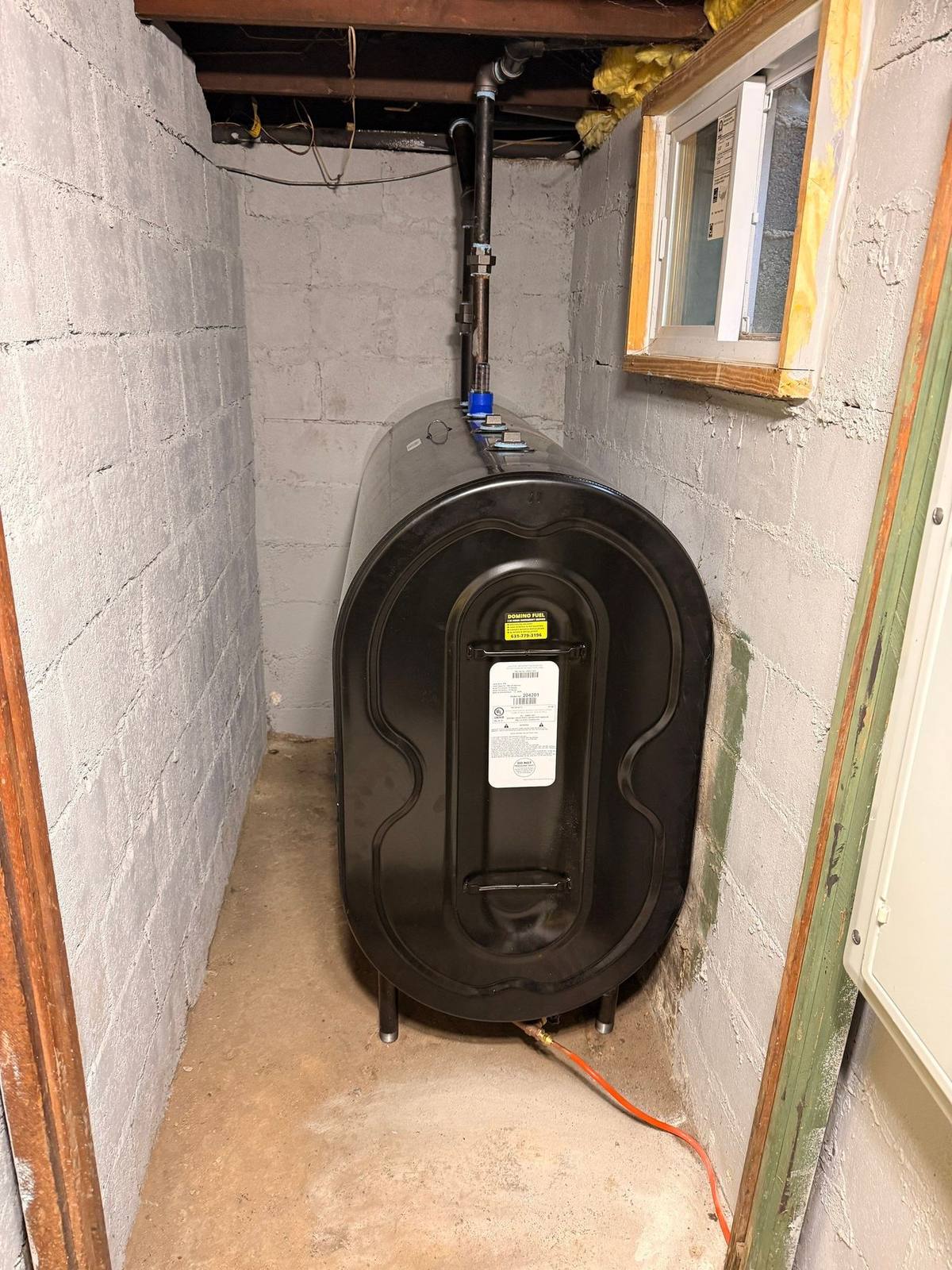
Unused residential heating oil tank evaluated before abandonment in Levittown

Tank Evaluation First

Before any closure work, we identify what is actually on the property: tank type, size, location, whether it is above ground or buried, whether piping is still connected, and what you know about its history. Even partial information, like the location of an old fill pipe or records from a heating conversion, helps define the right plan.

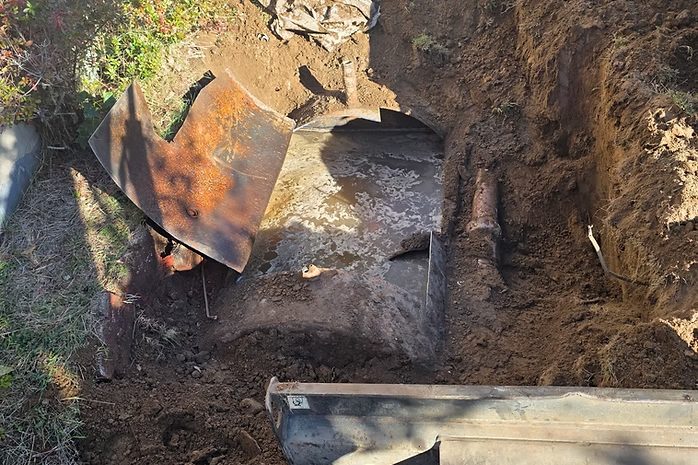
Buried oil tank opened, pumped out, and cleaned during decommissioning near Levittown

Pump-Out and Cleaning

Remaining fuel oil and sludge are removed from the tank as part of the closure. A tank abandoned with product still inside is a problem waiting for a future owner, so this step is not optional in a proper decommissioning.

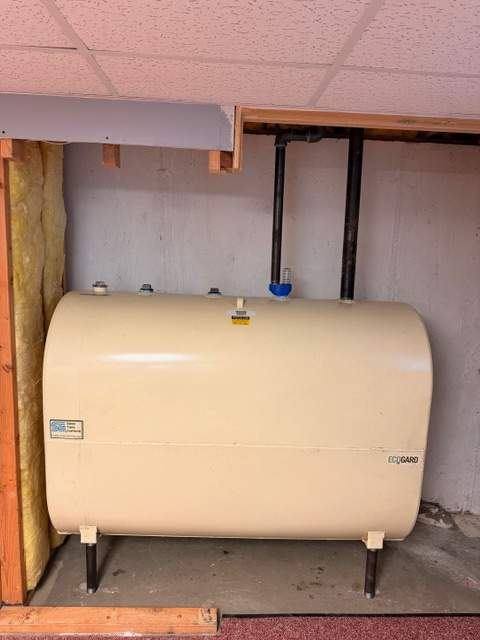
Oil tank supply and fill piping disconnected during tank closure in a Levittown basement

Line Disconnection and Capping

Supply, fill, and vent lines are disconnected and closed off so the tank can never be refilled by accident. Clearly retiring the old fill point protects you from a misdirected oil delivery years from now.

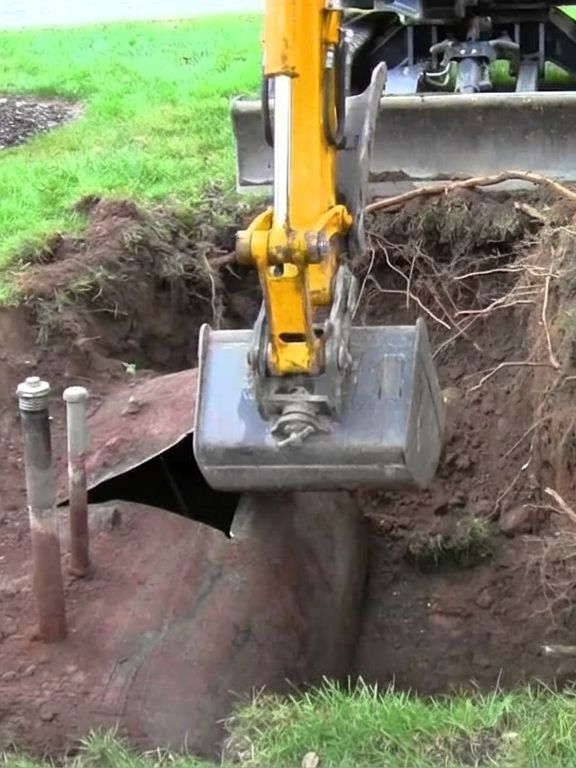
Buried heating oil tank exposed for inert fill during abandonment in Levittown NY

Inert Fill for Buried Tanks

Underground tanks are typically filled with sand, foam, or another inert material after cleaning so the shell stays stable under driveways, yards, and walkways instead of slowly rusting into a void.

Abandonment or Removal: Which Is Right for Your Tank?

Removal physically eliminates the tank; abandonment retires it in place. Neither is automatically correct. The deciding factors are access, disruption, tank condition, and your plans for the property.

  • Choose abandonment when the tank sits under a slab, deck, addition, or landscaping you do not want destroyed, and the tank shows no evidence of leakage.
  • Choose removal when the tank is reasonably accessible, when future construction is planned in the tank area, or when you want nothing left behind on the property.
  • Selling the house? Buyers and their attorneys ask about old oil tanks. Documented, properly executed closure work answers those questions before they stall a deal.

Unsure which way to go? Call (516) 927-4356 and describe the tank. We will compare both paths for your specific situation, with a free quote for each.

How the Oil Tank Abandonment Process Works

STEP 01

Identify the Tank

We gather the tank type, location, approximate size, piping status, and whatever history you know.

STEP 02

Confirm Suitability

Signs of leakage, unknown contents, or unusual placement are checked before abandonment is confirmed as the right path.

STEP 03

Pump, Clean, Disconnect

Fuel and residue are removed, lines are disconnected, and fill and vent points are permanently closed.

STEP 04

Close the Tank

Buried tanks get inert fill; every tank is left clearly and permanently out of service, with the area clean.

Oil Tank Abandonment Questions

What does it mean to abandon an oil tank?

Abandonment, also called decommissioning, permanently retires a tank without removing it from the property. The tank is emptied of fuel oil, cleaned, disconnected from its piping, and closed off so it cannot be filled or returned to service. Underground tanks are typically filled with an inert material as part of the closure.

Is oil tank abandonment cheaper than removal?

Often the appeal of abandonment is less about price and more about disruption, since it avoids excavation or cutting a tank out of a tight space. Actual cost depends on the tank type, location, and site conditions. Call (516) 927-4356 for a free quote comparing both options for your property.

Is tank abandonment permanent?

Yes. A properly abandoned tank is permanently out of service. The fill and vent points are addressed so a fuel delivery cannot accidentally be made to the dead tank, which is one of the most important details of a correct closure.

Do underground oil tanks need to be filled when abandoned?

Underground tanks are typically cleaned and then filled with an inert material such as sand or foam so the empty shell cannot collapse over time. The right approach depends on the tank and the requirements that apply to your property, and we confirm it before work begins.

Can an abandoned oil tank be removed later?

Usually yes, though it means paying for a second project down the road. If you expect an addition, a pool, or major yard work in the tank area, it may be worth discussing removal now instead. We will lay out both paths honestly.

When is removal better than abandonment?

If the tank is accessible without major disruption, removal usually offers the cleaner long-term outcome since nothing stays behind. Abandonment earns its place when a tank sits under a slab, deck, or addition where extraction would be destructive. The right answer is property-specific.

Retire That Unused Oil Tank Properly

Describe where the tank is and why you are retiring it, and we will tell you honestly whether abandonment or removal serves you better.

Tank Decommissioning Across Central Nassau County

We handle oil tank abandonment in Levittown and these nearby communities.

Related Oil Tank Services

Call Now (516) 927-4356